What is Paclitaxel?
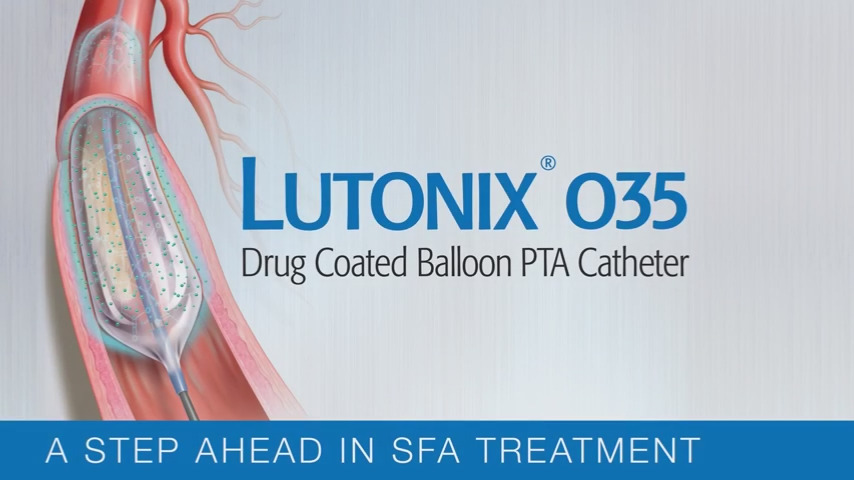
Paclitaxel is the active drug used on the Lutonix® 035 Drug Coated Balloon. It is commonly used in cancer treatment and has also been shown to help prevent arteries from narrowing again after angioplasty.
Key facts about paclitaxel in this treatment:
• The amount used is very small
• Approximately 2 percent of a single cancer treatment dose
• Delivered directly to the vessel wall at the treatment site
Who Should Not Receive the Lutonix® 035 Drug Coated Balloon?
This device should not be used in:
• Women who are pregnant, breastfeeding, or planning to become pregnant
• Men who intend to father children
• Patients with known allergies or hypersensitivity to paclitaxel or related compounds
• Patients who cannot take recommended antiplatelet or anticoagulant medications
• Patients with lesions that prevent full balloon inflation or proper placement of the delivery system
Your doctor will determine if this treatment is appropriate for you.
Potential Risks and Adverse Events
As with any angioplasty procedure, possible risks may include:
• Additional intervention or repeat procedure
• Allergic reaction to medications or contrast dye
• Bleeding or hematoma at the puncture site
• Blood pressure changes
• Infection or sepsis
• Vessel blockage or thrombosis
• Stroke
• Shock
• Vessel dissection, rupture, perforation, or spasm
• Limb complications, including amputation
Additional risks that may be associated with paclitaxel include:
• Allergic or immune reaction to the drug coating
• Temporary hair loss
• Anemia or low blood cell counts
• Gastrointestinal symptoms
• Liver enzyme changes
• Muscle or joint pain
• Peripheral neuropathy
• Inflammation or tissue changes in the vessel wall
Your physician will review these risks with you in detail.
Before the Procedure
Your doctor will explain how to prepare for your angioplasty. You may be asked to:
• Avoid eating or drinking after midnight the night before the procedure
• Take aspirin or other blood thinning medication to reduce clot risk
During the Procedure
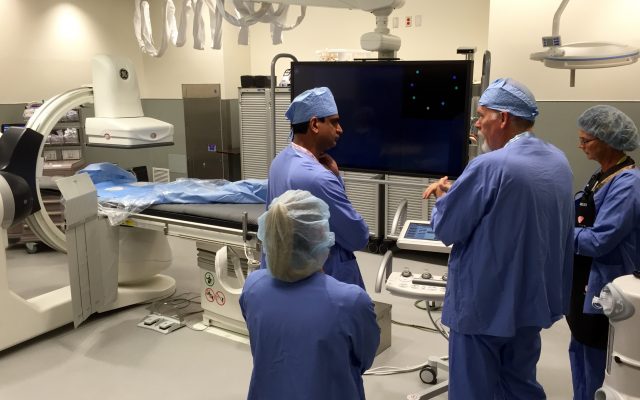
Angioplasty is typically performed in a hospital or catheterization lab. You may receive medication to help you relax, but you will remain awake so you can follow instructions if needed.
During the procedure, your doctor will:
• Access the artery through the groin
• Clean and numb the area with local anesthetic
• Insert a guidewire to reach the blockage
• Position the Lutonix® 035 Drug Coated Balloon at the narrowed area
• Briefly inflate the balloon to widen the artery
• Monitor you following treatment
After the Procedure
After your procedure:
• You will be moved to a recovery area
• Mild discomfort may occur and can be treated with medication
• Your heart rate and blood pressure will be monitored
• Your doctor will determine when it is safe for you to return home
Summary of Clinical Information
The Lutonix® 035 Drug Coated Balloon was evaluated in the LEVANT II Clinical Study, which enrolled 476 patients.
After one year, results showed:
• High procedural success rates
• Superior prevention of artery renarrowing compared to conventional balloon catheters
• Safety outcomes comparable to standard angioplasty balloons
Although there is limited information regarding outcomes in women, ongoing research continues to evaluate potential differences. Your doctor can explain the risks and benefits of this treatment based on your specific medical condition.