Stroke Rehabilitation: A Comprehensive Approach to Recovery
A stroke can change a person’s life in an instant. Tasks that once seemed simple, such as walking across a room, getting dressed, preparing a meal, or having a conversation, can suddenly become much more difficult. While every stroke and recovery journey is unique, rehabilitation plays a critical role in helping individuals regain function, rebuild confidence, and return to the activities that matter most to them.
At Oaklawn Physical Rehabilitation, we take a comprehensive approach to post-stroke recovery by addressing each patient’s individual needs through physical therapy, occupational therapy, and speech therapy. Together, these services help patients improve functional abilities, increase independence, and enhance overall quality of life.
Understanding Stroke Rehabilitation
The effects of a stroke can vary widely from one person to another. Since a stroke can affect so many different aspects of life, rehabilitation often requires a multidisciplinary approach that focuses on the whole person rather than a single symptom.
The primary goal of rehabilitation is to help patients recover as much function as possible while improving their ability to safely and independently navigate daily life. Through targeted therapy interventions and individualized treatment plans, patients can work toward meaningful goals that support their recovery and long-term well-being.
The Role of Physical Therapy
Physical therapy is one of the most recommended treatments following a stroke. Many stroke survivors experience changes in strength, balance, coordination, and mobility that can affect their ability to move safely and confidently.
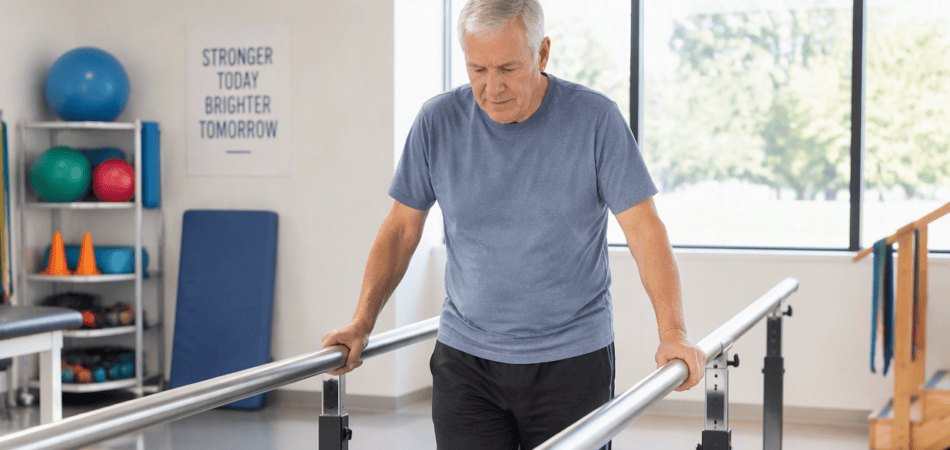
Physical therapists work closely with patients to address these challenges through personalized treatment programs. Therapy may include strengthening exercises, stretching, range-of-motion activities, gait training, and balance exercises designed to improve overall function and mobility. The focus is not only on rebuilding strength, but also on helping patients regain the skills needed for everyday activities.
Balance training is an especially important component of stroke rehabilitation. Therapists incorporate challenges such as working on varying surfaces, changing base of support, and performing dual tasks to help patients improve their balance reactions and reduce their risk of falls. These exercises can help individuals feel more secure as they return to activities at home and within their communities.
For patients who require additional support, physical therapists may also provide training on mobility aids such as walkers and canes. Understanding how to properly and safely use these devices can help increase independence while promoting confidence during recovery.
How Occupational Therapy Supports Independence
While physical therapy focuses on movement and mobility, occupational therapy helps patients regain the ability to perform everyday activities that are essential for independent living.
Following a stroke, routine tasks such as cooking, cleaning, personal grooming, and dressing can become difficult. Occupational therapists work with patients to develop strategies and techniques that make these activities more manageable and help restore independence.
Treatment may include practicing daily activities, recommending adaptive equipment, and identifying modifications that can improve safety in the home. Simple adjustments, such as installing grab bars or using specialized utensils, can make a significant difference in helping patients perform tasks more safely and efficiently.
Occupational therapists may use splints to help people with muscle tightness. Splints can help keep the hand, arm, or other body parts in a better position while maintaining muscle flexibility. These interventions are designed to support comfort, mobility, and overall function throughout the recovery process.
Restoring Communication Through Speech Therapy
A stroke can affect more than physical movement. Many individuals experience changes in communication or swallowing abilities that impact their daily interactions and quality of life.
Speech therapy focuses on helping patients improve speech and language skills while addressing communication challenges that may result from a stroke. Through individualized treatment, speech therapists help patients regain the ability to express themselves and interact more effectively with family, friends, and caregivers.
Speech therapists also evaluate and treat swallowing difficulties that may occur following a stroke. Addressing these challenges is an important part of recovery and can help improve both safety and overall quality of life.
Recovery Is a Team Effort
Stroke rehabilitation is most effective when multiple disciplines work together to address the diverse needs of each patient. Physical therapists, occupational therapists, and speech therapists each bring specialized skills and expertise that contribute to a well-rounded recovery plan. By collaborating and focusing on the patient’s individual goals, the rehabilitation team can help maximize function and support long-term success.
At Oaklawn Physical Rehabilitation, our team is committed to providing a safe, motivating, and encouraging environment where patients can work toward regaining independence and improving their quality of life. We understand that recovery after a stroke is a journey, and we are proud to partner with patients every step of the way as they work toward returning to the activities they love.
If you have questions about stroke rehabilitation or would like to schedule a comprehensive evaluation, talk with your physician about a referral or contact one of our Oaklawn Physical Rehabilitation locations in Albion, Marshall, Battle Creek, Olivet, or Coldwater. We look forward to helping you on your path to recovery.