Knee Pain on the Move? It Could Be Runner’s Knee
Whether you’re a dedicated runner, a student athlete, or simply someone who enjoys staying active, knee pain can quickly put a stop to the activities you love. One common cause of pain in the front of the knee is Patellofemoral Pain Syndrome (PFPS), more commonly known as runner’s knee.
Despite its name, runner’s knee doesn’t just affect runners. It can develop in anyone, especially those who participate in activities that involve frequent running, jumping, squatting, or climbing stairs.
What Is Runner’s Knee?
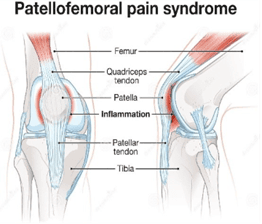
Runner’s knee causes pain around or behind the kneecap. The kneecap moves up and down as you bend and straighten your knee. When everything is working properly, this movement is smooth and pain-free. However, when the kneecap is irritated, doesn’t move as it should, or is under too much stress, pain can develop.
What Causes It?
Several factors can increase the risk of developing runner’s knee, including:
- Weakness in the muscles that support the knee and hips
- Playing the same sport year-round without enough cross-training
- Increasing activity levels too quickly
- Returning to sports without proper conditioning
Many people can relate to jumping back into an activity after some time off and doing too much, too soon. This is a common recipe for knee pain. At first, the discomfort may come and go. Over time, it can become more persistent and start interfering with daily activities.
Common Symptoms
People with runner’s knee often describe the pain as a dull ache at the front of the knee. Symptoms may become worse during activities such as:
- Running
- Walking up or down stairs
- Squatting
- Kneeling
- Sitting for long periods with the knee bent
When Should You Seek Help?
In some cases, rest, ice, and activity modification can help calm symptoms. However, if pain continues or keeps returning, physical therapy may be beneficial.
A physical therapist can help identify the cause of your pain and create a plan to help you recover safely. Treatment may include:
- Strengthening the muscles around the knee and hips
- Improving flexibility and movement patterns
- Reducing pain and inflammation
- Guidance for a safe return to sports and other activities
Perhaps most importantly, physical therapy can provide the tools and education needed to help prevent future flare-ups.
Don’t Let Knee Pain Keep You on the Sidelines
If knee pain is making it difficult to stay active, you don’t have to push through it alone. Early treatment can help address the problem before it becomes more severe and get you back to doing the things you enjoy with confidence.
If you’re experiencing knee pain during activity and aren’t sure where to start, the Oaklawn Physical Therapy team is here to help. With the right evaluation and treatment plan, you can return to the activities you love while protecting your knees for the long run.