Acid Reflux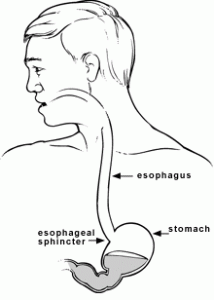
The Problem
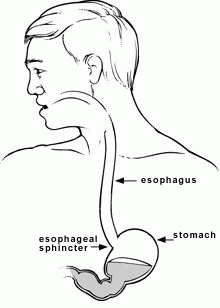
The medical term for the condition you have been experiencing is gastroesophageal reflux. In simple terms, this means that stomach acid, which helps digest the food you eat, is flowing backward into your esophagus.
The esophagus is a tube about 10 inches long and one inch wide that carries food from the back of your throat to your stomach. When acid flows back into this tube, it can irritate the lining and cause discomfort such as heartburn.
The Cause
At the lower end of your esophagus, where it meets the stomach, is a muscular valve called the lower esophageal sphincter (LES). This valve opens to allow food into your stomach and normally prevents stomach contents from flowing back up.
Sometimes the LES does not function properly or becomes overwhelmed. This can happen for several reasons, including:
• Temporary relaxation of the LES
• Reduced resting strength of the LES
• Increased abdominal pressure from straining
• Pregnancy
• Other medical conditions
Common Symptoms
• Frequent heartburn
• Regurgitation, which may cause a sour or bitter taste in the mouth
• Difficulty swallowing
Management and Symptom Control
Dietary Changes
• Reduce portion sizes if symptoms occur after eating
• Limit fatty foods if they trigger symptoms
• Avoid caffeine containing beverages such as coffee, tea, and cola if they worsen symptoms
• Limit alcohol, spicy foods, and chocolate if they provoke symptoms
Lifestyle Changes
• Smoking can worsen reflux, so try to quit or reduce smoking
• Excess weight may contribute to symptoms, so maintaining a healthy weight can help
• If symptoms occur when lying down, raise the head of your bed about 6 inches
• Avoid tight belts or restrictive clothing
• Do not eat for two to three hours before going to sleep